What is a Dental Implant?
A dental implant is the sophisticated, popular restoration process used to replace missing teeth. Dental implants comprise an artificial tooth root surgically placed into the jawbone to support a replacement tooth using a crown or a dental bridge. Dental implants offer a long-term, durable, and natural-looking option for restoring your smile’s function and appearance.
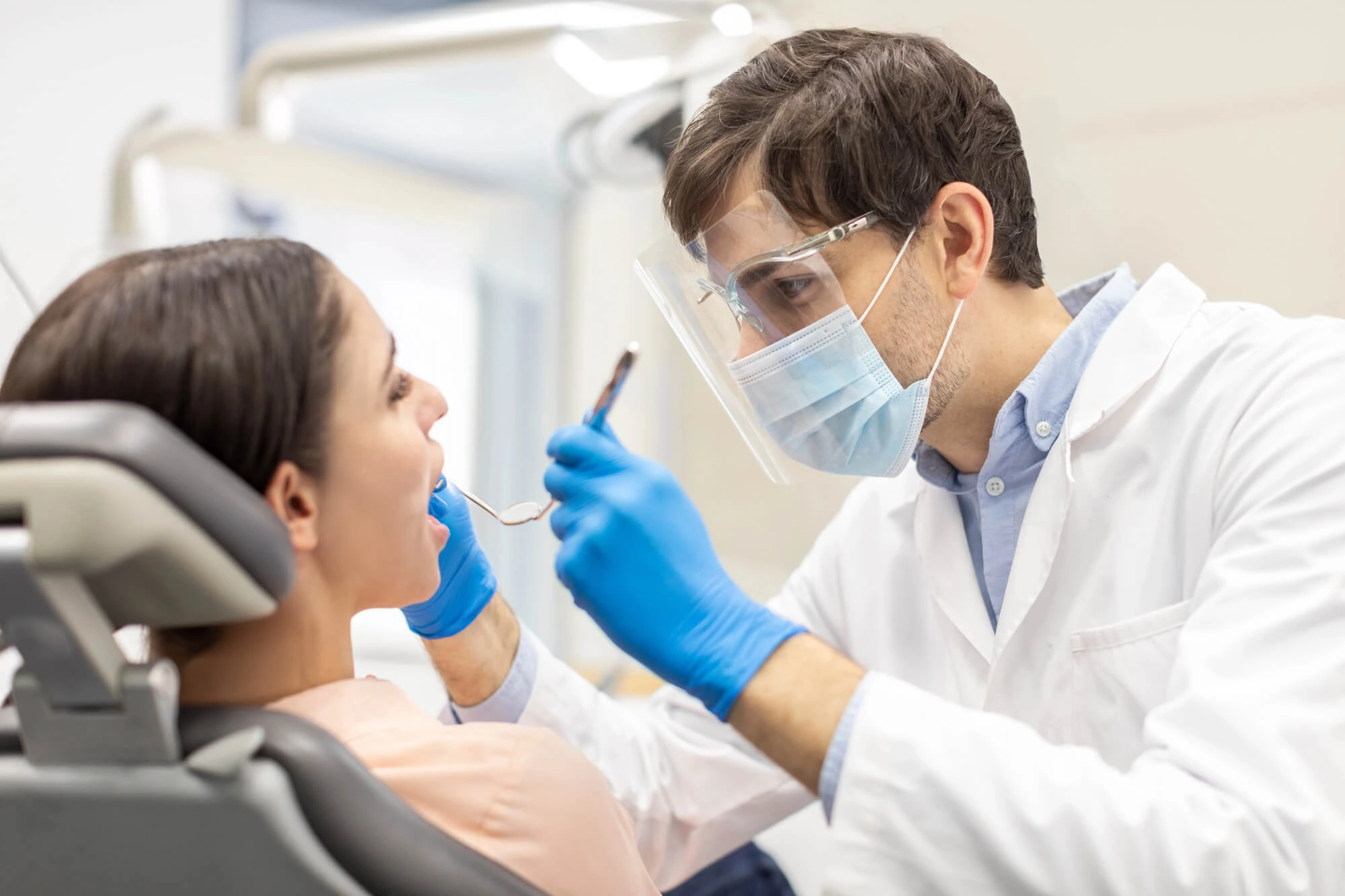
The dental implant process typically involves several steps. It begins with a dental implant specialist or oral surgeon assessing your oral health to determine whether you are a suitable candidate for the procedure. This examination includes an evaluation of one’s jawbone to understand and ensure whether the jawbone has enough density and structure to support an implant or several implants.
Having positively determined that the jawbone can accommodate and support an implant or implants, the next step entails the surgical placement of the dental implant. Let’s break down the components of a single tooth implant.
Types of Dental Implants
- Mini Dental Implants. Mini dental implants are a new and low-cost way to secure your dentures at less than half the cost of traditional dental implants! Even patients who are told they aren’t candidates for traditional implants may benefit from mini implants. Sometimes, your existing dentures can be used, making this implant procedure even more affordable.
- Single Tooth Dental Implant. Single-tooth implants do not decay or need root canal treatments and have the highest long-term success rates for replacing a single tooth.
- All-on-Four: Full Arch Dental Implants. All-on-Four dentures replace all your teeth with a permanent set of natural-feeling prosthetics that function exactly like a set of teeth. Permanently affixed to your jaw with titanium screws, they will not shift or slip and do not put unwanted pressure on your gums. Eating and biting are much more comfortable, as they act just as natural teeth do.


Implant Components - What makes up a Dental Implant?
A dental implant consists of several components, each serving a particular function. Let’s identify each of the main components of a dental implant:
- Implant Fixture. The implant fixture is the primary component and is an artificial tooth root. It is made of biocompatible materials and, in many cases, titanium. The fixture is surgically placed into the jawbone, providing stability and an anchor for all other components.
- Abutment. The abutment is a connector attached to the implant fixture. It protrudes above the gum line and supports the dental prosthesis (such as a crown, bridge, or denture). Abutments are produced from different materials, including titanium, zirconia, or gold.
- Crown or Prosthesis. The crown or prosthesis is the visible part of the dental implant and serves as the replacement tooth. It is custom-made to match the color, shape, and size of one’s natural teeth.
Crowns are typically made of ceramic or porcelain, fused to metal, providing aesthetics and durability. Remember the pressure that the dental implant, and height or prosthesis in particular, will bear as a function of eating and chewing once an implant procedure has been completed. - Connector Screw. The connector screw (the prosthetic screw) secures the abutment to the implant fixture. It ensures a stable connection between the abutment and the implant, allowing for the attachment of the crown or prosthesis.
- Healing Cap. After placing the implant fixture, a healing cap or cover screw may be temporarily attached to protect the implant site during the healing process. It helps maintain the shape of the gum tissue around the implant and is later replaced with the abutment.

These are the essential components of a dental implant. However, the specific design and details used may vary depending on the implant system and the patient’s needs. It’s essential to consult with a qualified dentist or oral surgeon to determine the most suitable implant components for your situation.
What Does a Dental Implant Look Like?
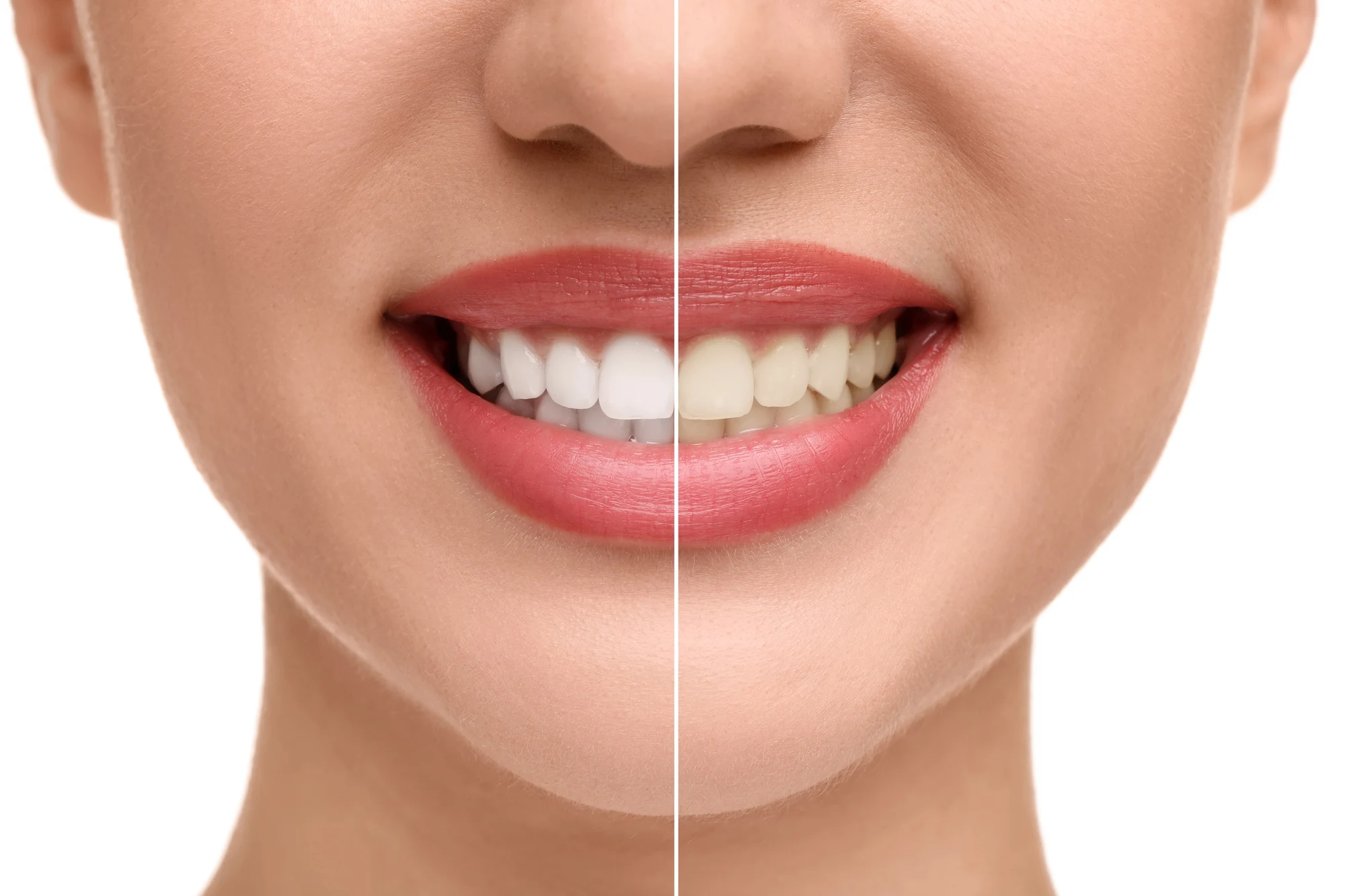
Once treatment is finished, a dental implant looks like a natural tooth. The only part anyone sees is the crown, which is shaped and shaded to match the teeth beside it. Below the gumline, the implant itself is a small titanium or zirconia post about the size of a natural tooth root. Its threaded surface lets the jawbone grow tightly around it, which is what makes an implant tooth feel solid when you bite.
For a full arch, the visible part is a row of teeth on a gum-colored base, fixed to four or more implants. When the crown is well matched and the gums have healed around it, most people cannot tell which tooth is the implant, even up close.
The Dental Implant Procedure & Recovery
Assuming the tooth – or teeth – being replaced has already been extracted, the next step is placing the artificial tooth root – the implant fixture and anchor. This procedure involves making an incision in the gum tissue to expose the underlying bone and drilling a hole into the jawbone. The implant, usually titanium, is inserted into the hole and secured. Over time, the implant fuses with the jawbone through osseointegration, which provides a stable foundation for the replacement tooth.
After the implant fixture has integrated with the jawbone, a connector piece called an abutment is placed on top of it. The abutment connects the implant to the replacement tooth, which can be a dental crown, bridge, or even a complete denture, depending on the number of missing teeth and your specific needs. The replacement tooth is custom-made to match your natural teeth’s shape, size, and color, ensuring a seamless and natural-looking result.

Are Dental Implants the Right Solution for You?
Dental implants offer numerous advantages compared to other tooth replacement options. They provide excellent stability and function, allowing you to eat, speak, and smile confidently. They also help preserve the jawbone’s integrity by stimulating bone growth and preventing bone loss, a common consequence of missing teeth. Dental implants do not rely on adjacent teeth for support, unlike dental bridges, which makes them generally more durable and long-lasting.
However, it’s important to note that getting dental implants can take several months to complete, as it involves multiple stages and requires time for the implant to integrate with the jawbone. It also requires good oral hygiene practices and regular dental check-ups to ensure the long-term success of the implant.
Who Places Dental Implants?
Implant treatment has two parts: placing the post in the bone, and restoring it with a crown, bridge, or denture. Depending on the case, the surgical step may be done by a general dentist with advanced implant training, an oral surgeon, or a periodontist (gum specialist). The final tooth is usually designed by your restorative or cosmetic dentist so it fits your bite and smile.
What matters most is that both steps are planned together, using 3D imaging to position the implant based on where the final tooth needs to sit. Before you start, ask who will place the implant, who will restore it, and how the two are coordinated.
What Affects the Cost of Dental Implants in Falls Church?
There is no single price for an implant, because every plan is different. The main factors are:
- How many teeth are being replaced
- Whether you need an extraction or bone graft first
- The type of restoration: a single crown, a bridge, or implant-supported dentures
- The materials used for the abutment and crown
Dental insurance may cover part of the treatment, such as the extraction or crown, up to your plan's annual maximum. Monthly payment options such as Sunbit financing can spread the rest over time. A consultation with 3D imaging gives you an exact treatment plan and quote before anything begins. To find out whether you are a good candidate, book a consultation for dental implants in Falls Church, VA.
Why Choose Tysons Dental Esthetics for Your Dental Implants?
A dental implant is a lifelong solution for tooth loss and replacement. In sustaining each patient, Dr. Sanae Berrada and the dentists at Tysons Dental Esthetics use only the highest-quality dental implants, which will last time.
Dr. Berrada brings over 20 years of clinical expertise to her work. Throughout her career, she has had extensive training in orthodontics, dental implants, cosmetic dentistry, and general dentistry, and exercises a continued commitment to providing the best possible dental care in our community.
When it comes to continuing education, Dr. Berrada has taken several courses from Dr. Frank Spear of the Seattle Institute for Dental Education. In addition, she has studied implant dentistry at Columbia University in New York.
If you’re considering dental implants, it’s best to consult a qualified dentist or oral surgeon to assess your situation and guide you through the process. Call Tysons Dental Esthetics to set up your assessment today!