Is Invisalign as Effective as Braces for Straightening Teeth?
When it comes to straightening your teeth, there are two main options: traditional metal braces and the more modern solution, Invisalign® in Falls Church. Both treatments are effective at improving your tooth alignment, but the question on many people’s minds is, “Is Invisalign as effective as braces?” While both methods have their advantages, the answer depends on factors such as the severity of your case, your lifestyle, and your personal preferences.

How Invisalign Works
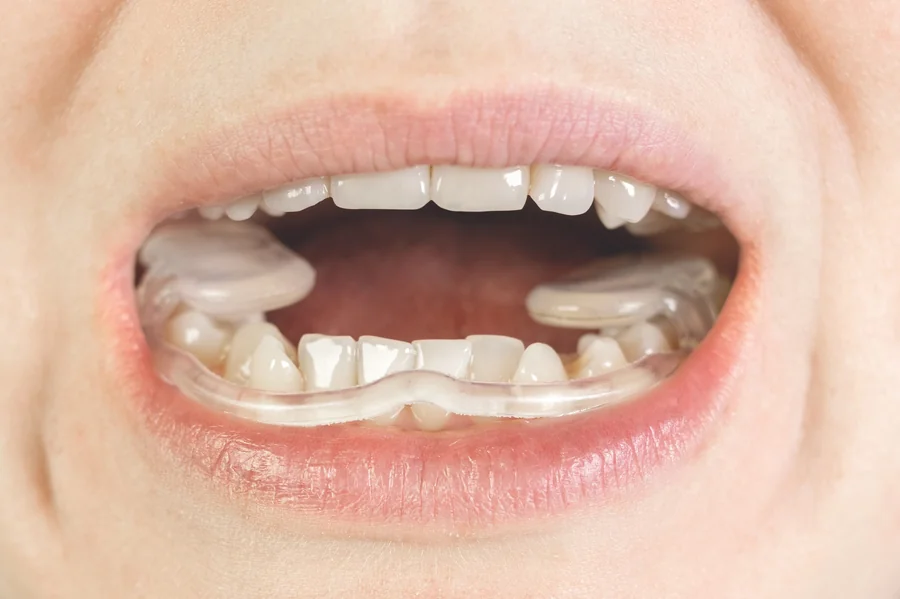
Invisalign is a teeth-straightening treatment that uses a series of clear, removable aligners to shift your teeth into place gradually. Unlike traditional metal braces, which use wires and brackets, Invisalign aligners are made from smooth, clear plastic, making them more discreet and comfortable. The aligners are custom-made for your teeth, ensuring a snug fit that is both effective and easy to wear. You will need to wear each set of aligners for about two weeks before switching to the next set in the series, and it’s recommended to wear them for 20 to 22 hours a day to achieve the best results.
Is Invisalign as Effective as Braces?
When it comes to effectiveness, both Invisalign and traditional braces can achieve excellent results, but they work best for different types of patients. Invisalign is highly effective for mild to moderate cases of misalignment, such as slight crowding, gaps, or overbites. However, for more severe orthodontic issues, such as complex bite problems or significant tooth movement, traditional braces may be more effective because they can apply more consistent pressure on the teeth.
Invisalign aligners are designed to move teeth precisely, but they may not be suitable for severe cases. Braces, on the other hand, offer a more versatile solution for patients with more complex needs. That being said, Invisalign’s customizability and precision have made it a viable alternative for many patients who would have traditionally been limited to metal braces.
The Comfort Factor: Invisalign vs. Braces
One of the main reasons people choose Invisalign over traditional braces is comfort. Braces can irritate the inside of your mouth, especially when the wires are tightened. The brackets can also cause discomfort and, in some cases, even sores in the mouth. In contrast, Invisalign aligners are smooth, making them more comfortable to wear. Since the aligners are removable, you can take them out to eat, brush, and floss, which makes it easier to maintain oral hygiene during treatment.
Treatment Time and Convenience
In terms of treatment time, Invisalign generally offers a quicker path to straight teeth than traditional braces. The average treatment time for Invisalign is about 12 to 18 months, depending on the complexity of your case. Braces, on the other hand, often take 18 to 24 months, and sometimes longer. However, your treatment time with either option will depend on your specific needs and how well you follow your treatment plan.
Because Invisalign is removable, it allows for a more flexible lifestyle. There are fewer dietary restrictions than with braces, where sticky, hard, or chewy foods can damage brackets and wires. With Invisalign, you remove the aligners before eating or drinking, and there’s no need to worry about food getting stuck in your braces.

Get the Right Treatment for Your Smile with Invisalign
Choosing the right orthodontic treatment is an important decision that can greatly impact the success of your treatment. At Tyson's Dental Esthetics, we offer a variety of orthodontic treatments tailored to your unique needs. From traditional braces to Invisalign, our experienced team is here to help you achieve the smile you’ve always wanted. Schedule an appointment today to discuss your treatment options and take the first step toward a healthier, more beautiful smile!
Invisalign®, the Invisalign logo, and iTero®, among others, are trademarks and/ or service marks of Align Technology, Inc. or one of its subsidiaries or affiliated companies and may be registered in the U.S. and/or other countries.