What Is TMJ—And How Can Dentists Treat It?
If you experience jaw pain, headaches, or a clicking sound when you chew, you may have TMJ disorder. And you're not alone; millions of Americans face this problem, but know how dentists can provide real, long-term relief. By understanding what causes your jaw pain—and how TMJ treatment in Falls Church can help you feel better—you can begin working towards relief, often without surgery.
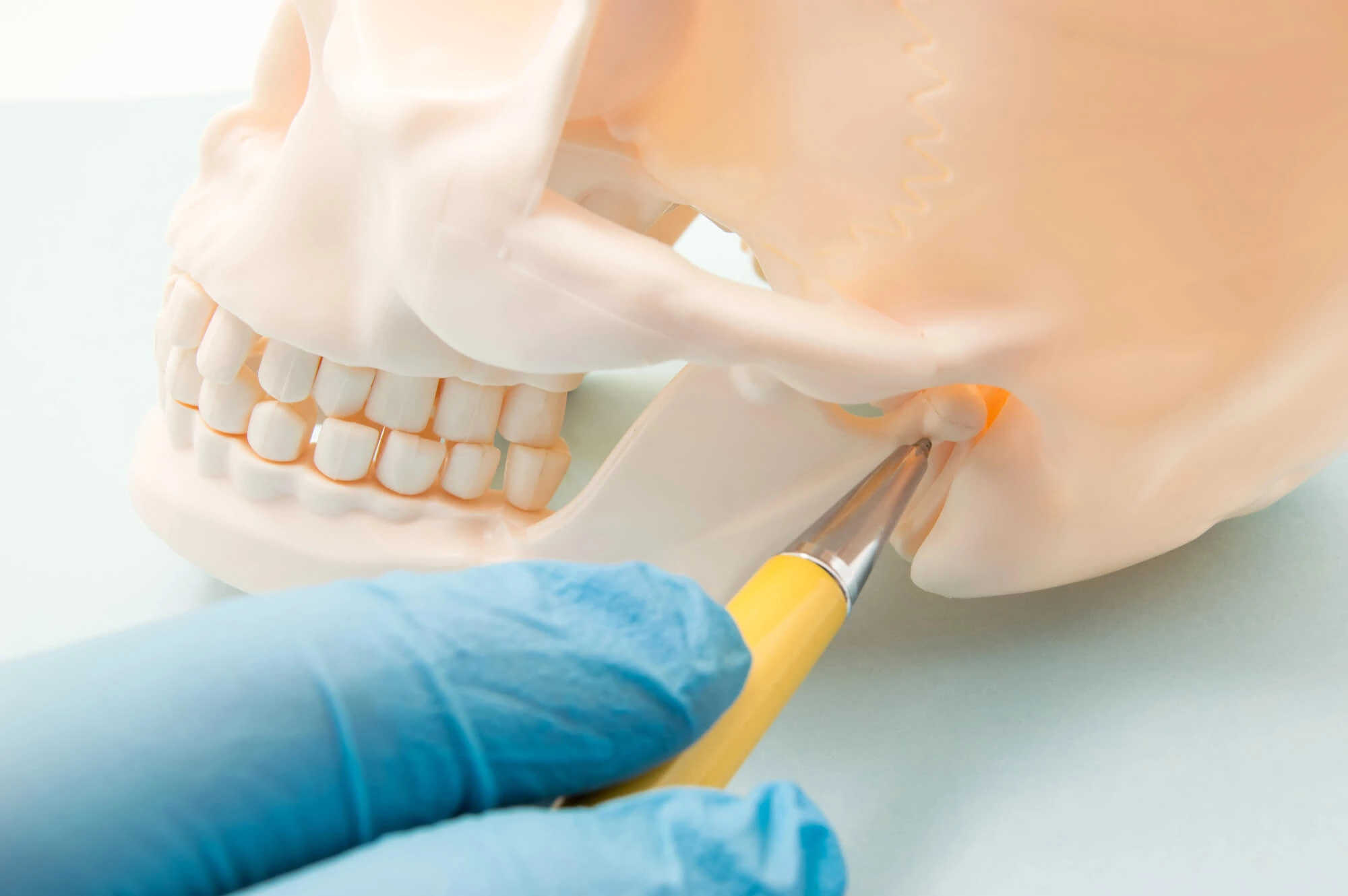
Understanding TMJ and TMD
The temporomandibular joint, or TMJ, is the hinge that connects your jaw to your skull. You have one on each side of your face, which allows you to speak, chew, and yawn comfortably.
When this joint becomes irritated or misaligned, it causes TMD (temporomandibular joint disorder). TMD is a broad term used to describe a variety of problems involving jaw pain and dysfunction.
Symptoms of TMJ disease can range from mildly annoying to seriously disruptive. Still, some signs to watch out for include:
- Clicking, popping, or grinding sounds in the jaw
- Pain while chewing or yawning
- Frequent headaches or migraines
- Earaches or a feeling of fullness in the ears
- Jaw locking (open or closed)
- Soreness in the neck, shoulders, or face
Because these symptoms often overlap with other conditions, many patients don’t realize that the jaw is the source of their discomfort.
What Causes TMJ Problems?
TMJ disorder can develop from a variety of factors, including:
- Teeth grinding or clenching (especially at night)
- Poor bite alignment or missing teeth
- Injury or trauma to the jaw
- Chronic stress and tension
- Arthritis in the jaw joint
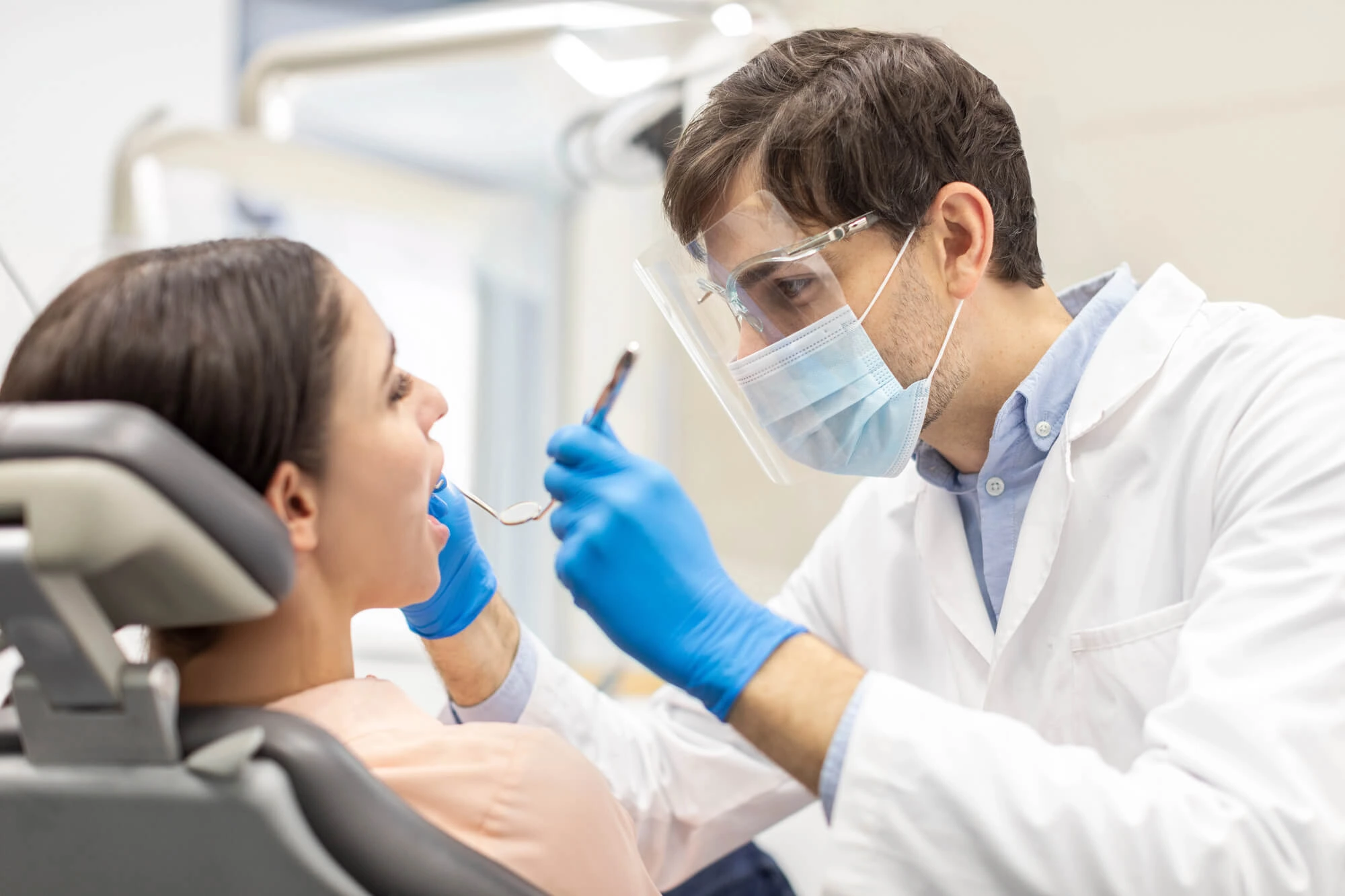
In many cases, TMJ symptoms stem from a combination of stress-related habits and dental misalignment, which makes dentists uniquely qualified to diagnose and treat the condition.
How Dentists Treat TMJ
Fortunately, most TMJ disorders can be treated without surgery, particularly if detected early. Some of the most common and effective options include:
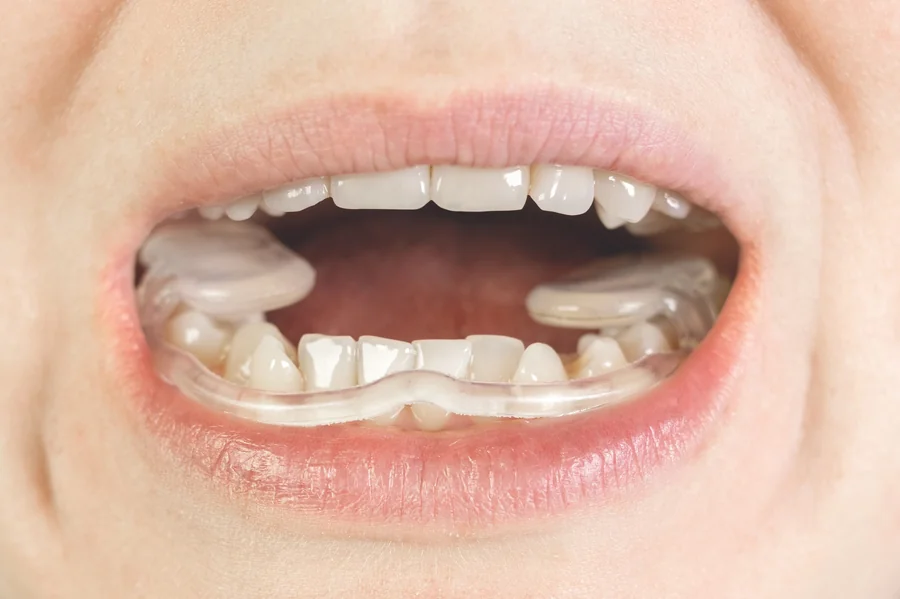
1. Custom Night Guards and Bite Splints
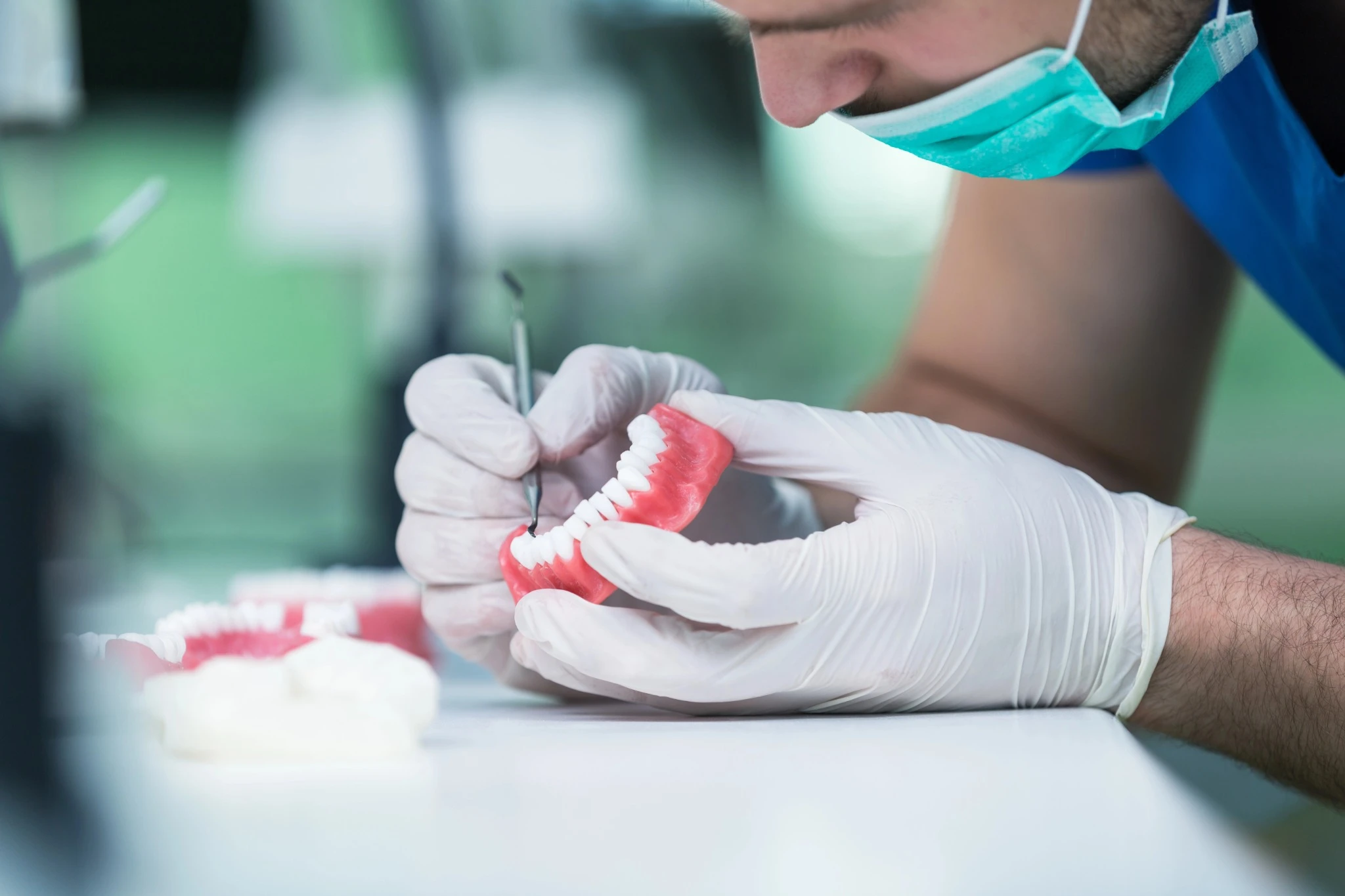
A custom-fitted oral appliance can help prevent teeth grinding and maintain your jaw in a more relaxed position while you sleep. Unlike over-the-counter mouthguards, these are professionally designed to support your unique bite and jaw anatomy.
2. TMJ Jaw Exercises and At-Home Therapies
Patients are often surprised by how much at-home exercise can provide them with relief. Your dentist may recommend specific jaw stretches and strengthening exercises, along with lifestyle changes like:
- Eating soft foods
- Applying warm compresses
- Practicing stress-reduction techniques
These therapies can significantly reduce strain on the TMJ and improve the range of motion over time.
3. Medication and Targeted Pain Relief
In some cases, dentists may suggest short-term use of:
- Anti-inflammatory medications (like ibuprofen)
- Muscle relaxants
- Prescription mouth rinses
These options reduce inflammation and allow the joint to heal more effectively.
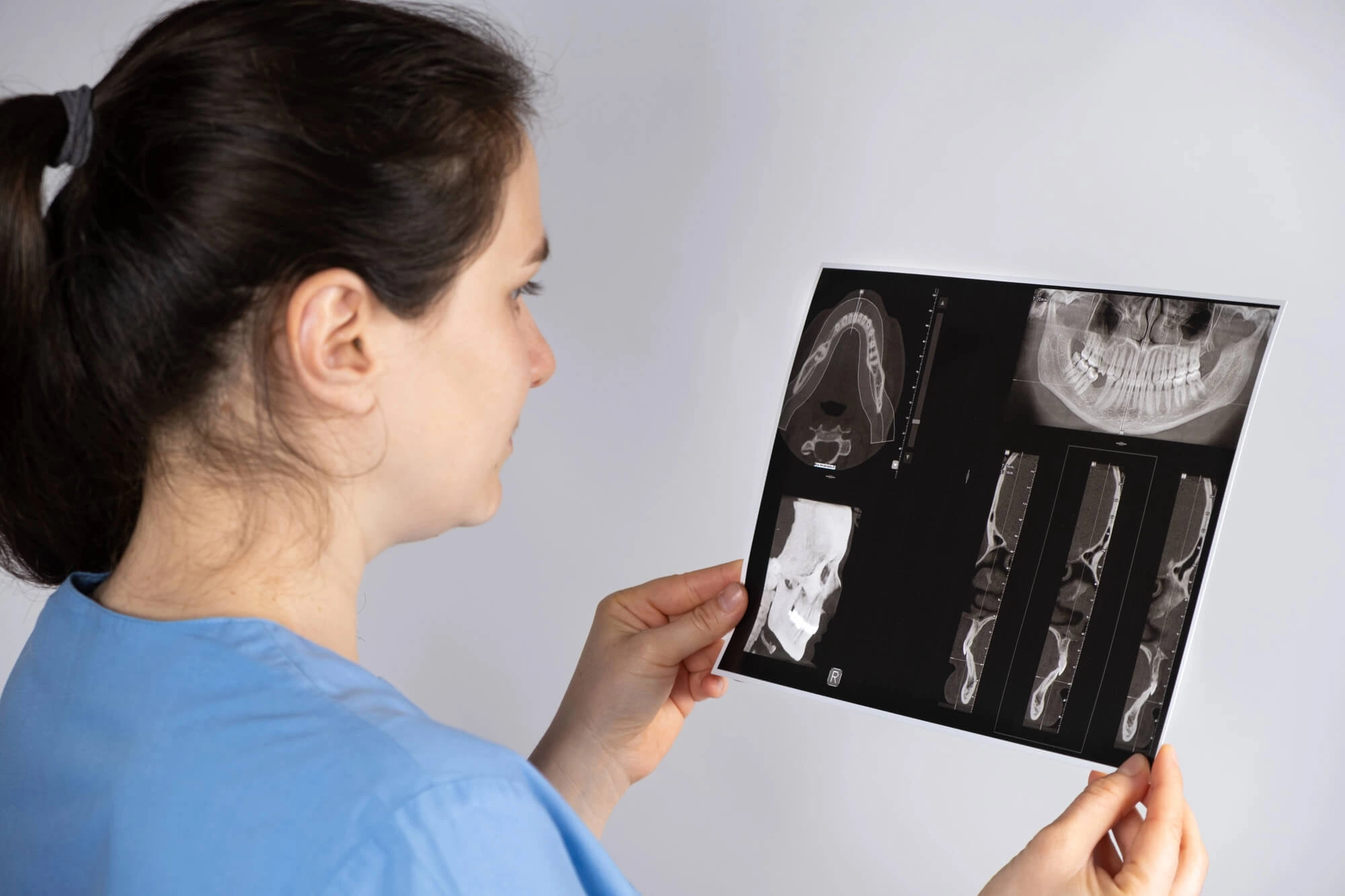
Don’t Get Used to Discomfort—Find Relief with TMJ Treatment in Falls Church
TMJ pain isn’t just frustrating—it can affect your sleep, your mood, and your quality of life. The sooner you seek professional help, the easier it is to treat. At Tyson’s Dental Esthetics, our approach to TMJ-pain is personalized: we’ll look for what’s really behind your jaw pain and design a customized plan to help you feel like yourself again.
Whether you’re dealing with mild tension or severe jaw dysfunction, there’s a solution that doesn’t involve surgery or guesswork. Book a consultation today, and let’s find it together!