What Is Sleep Apnea and How Does It Impact Your Body?
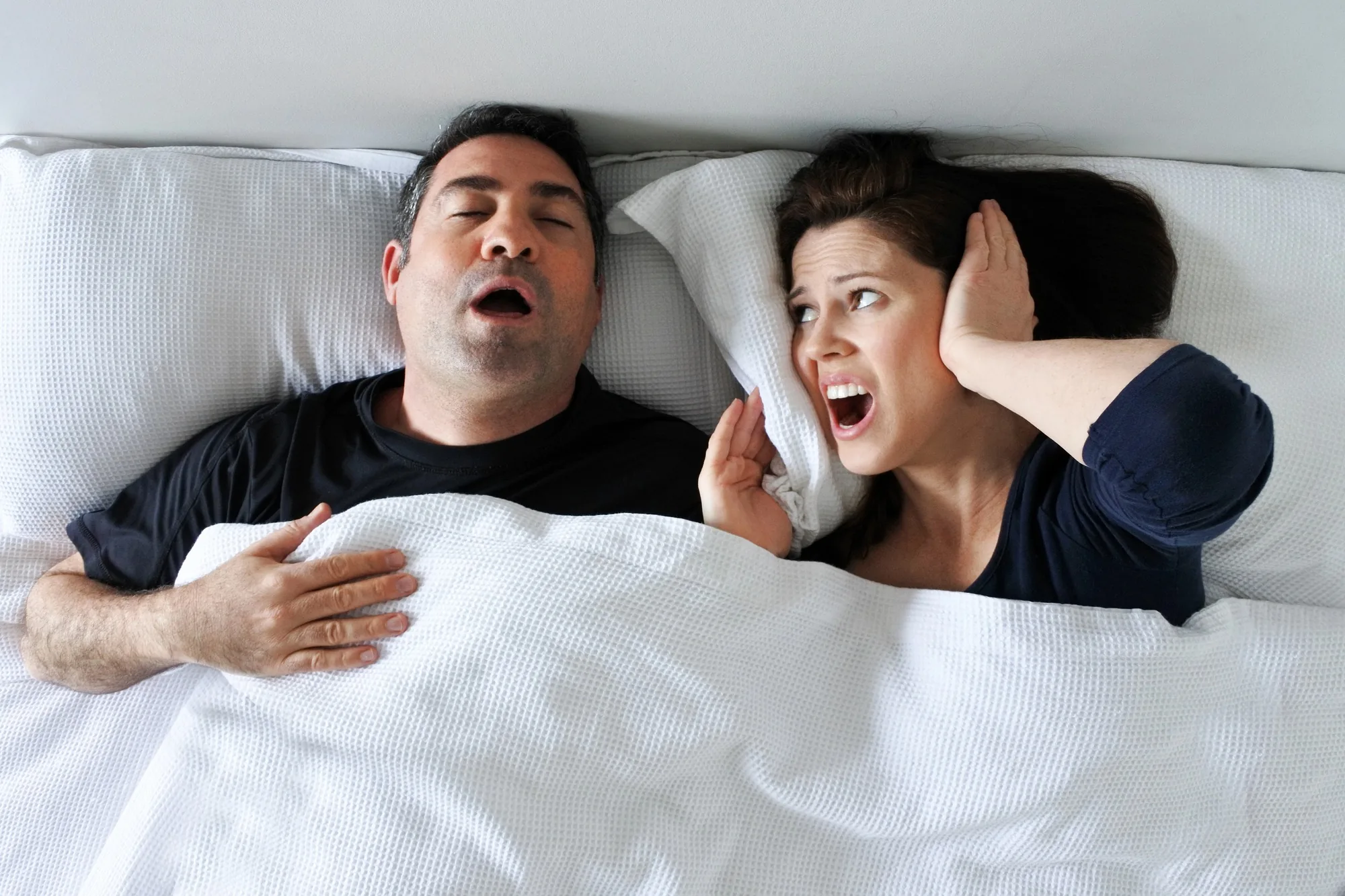
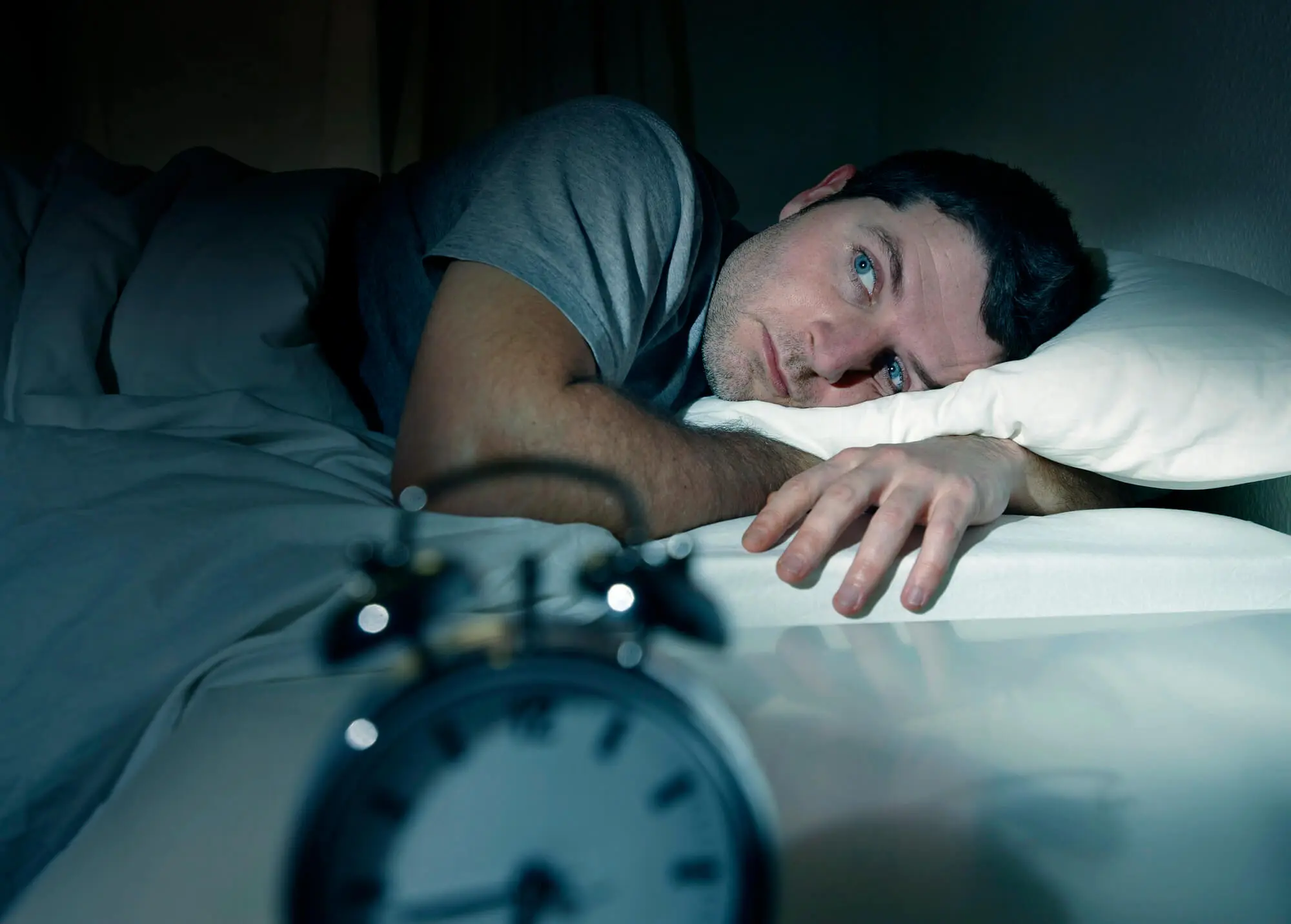
If you’ve ever woken up gasping for air, or you constantly feel exhausted despite a full night’s sleep, you might be suffering from sleep apnea—a serious but often misunderstood sleep disorder. But what is sleep apnea?
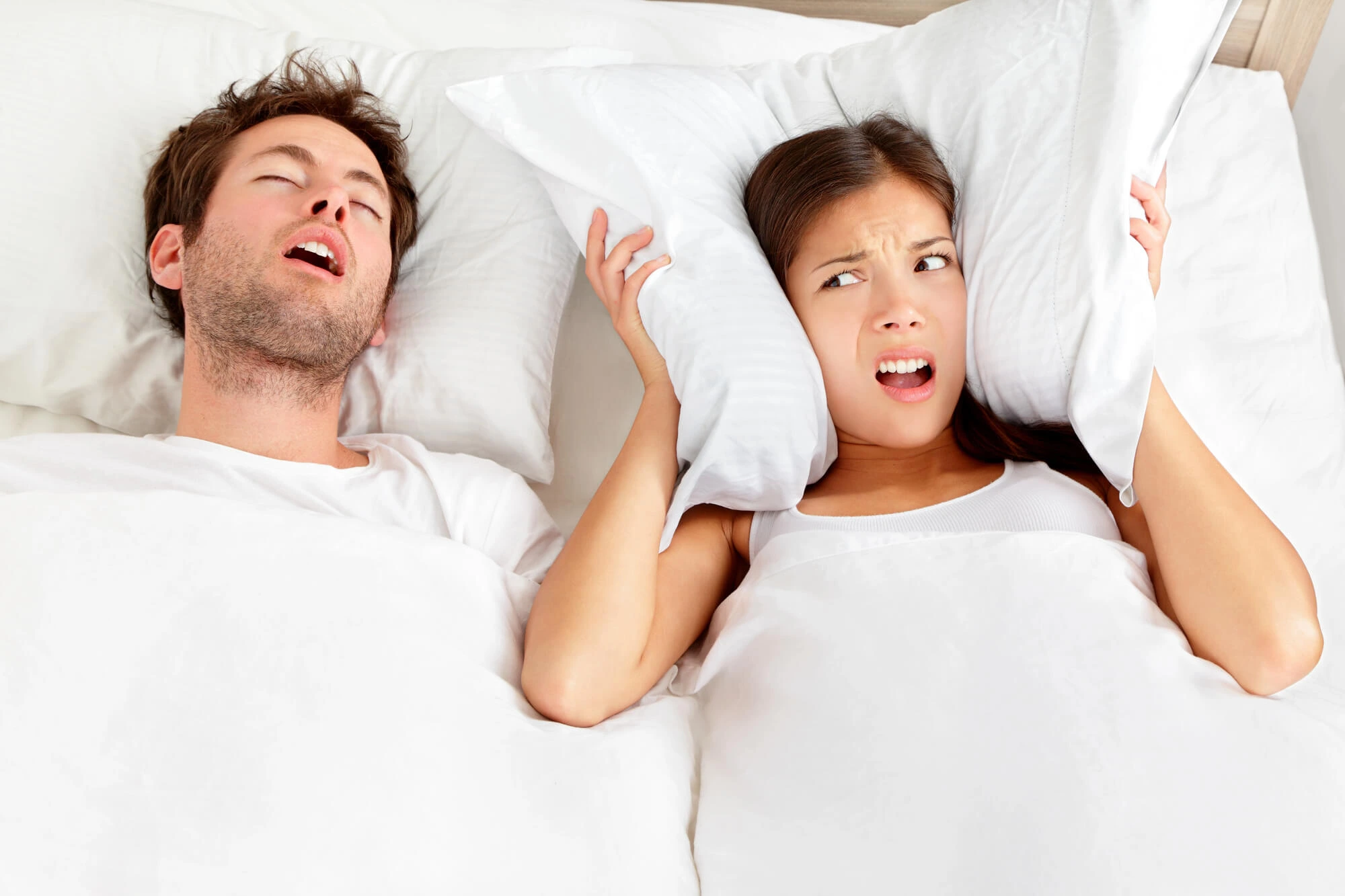
In simple terms, sleep apnea is a condition that causes you to stop breathing multiple times during the night. These pauses can last seconds or longer, depriving your brain and body of oxygen, disrupting deep sleep, and putting tremendous strain on your overall health.
Understanding what sleep apnea is—and how it affects your body—is the first step to getting the treatment you need.

The Basics: What Is Sleep Apnea?
There are two main types of sleep apnea:
- Obstructive Sleep Apnea (OSA): The most common form, caused by the collapse of soft tissues in the back of your throat, blocking your airway.
- Central Sleep Apnea: Less common, this occurs when the brain fails to send proper signals to the muscles that control breathing.
Many people with sleep apnea don’t even realize they have it. Instead, they live with chronic fatigue, headaches, irritability, or even health conditions they don’t know are connected.
How Sleep Apnea Impacts Your Body
Sleep apnea doesn’t just affect your nights—it disrupts your days and damages multiple systems throughout your body.
1. Cardiovascular System
Every time you stop breathing, your oxygen levels drop. This puts repeated stress on your heart and blood vessels. Over time, this can lead to:
- High blood pressure
- Irregular heartbeat (arrhythmia)
- Increased risk of heart attack or stroke
- Heart failure
In fact, untreated sleep apnea can double your risk of cardiovascular disease.
2. Nervous System
Oxygen deprivation and interrupted sleep cycles take a toll on your brain. People with sleep apnea are more likely to experience:
- Daytime fatigue and poor concentration
- Memory problems and brain fog
Your brain needs consistent, deep sleep to repair itself. Sleep apnea robs you of that essential time every night.
3. Endocrine and Metabolic Systems
Sleep apnea is closely linked to insulin resistance—a precursor to type 2 diabetes. It also interferes with hormones that control:
- Appetite (you may feel hungrier)
- Stress (increased cortisol levels)
- Fat storage and metabolism
This can lead to unexplained weight gain, which in turn worsens sleep apnea, creating a dangerous cycle.
4. Respiratory and Immune Systems
Your body relies on rest to strengthen its immune response. Sleep apnea disrupts that recovery, leaving you:
- More vulnerable to infections
- Slower to heal
- More likely to develop asthma or respiratory complications
You may also experience frequent sore throats, dry mouth, or nasal congestion from disrupted breathing.

Learn What Sleep Apnea Is and How to Treat It Better—And Sleep Better with the Help of the Experts
Sleep apnea is more than snoring—it’s a full-body condition with serious long-term risks. The sooner you seek care, the sooner you can restore your sleep, your energy, and your health.
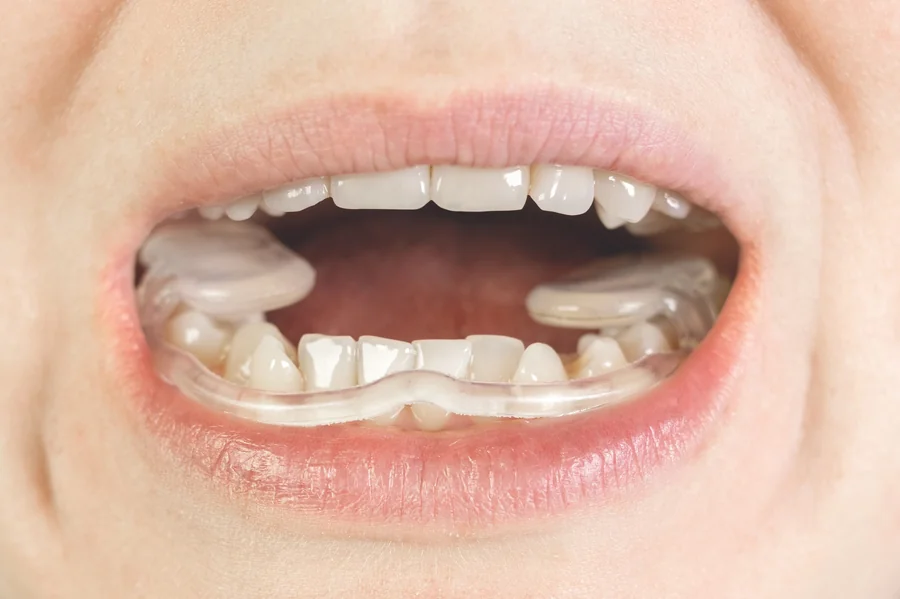
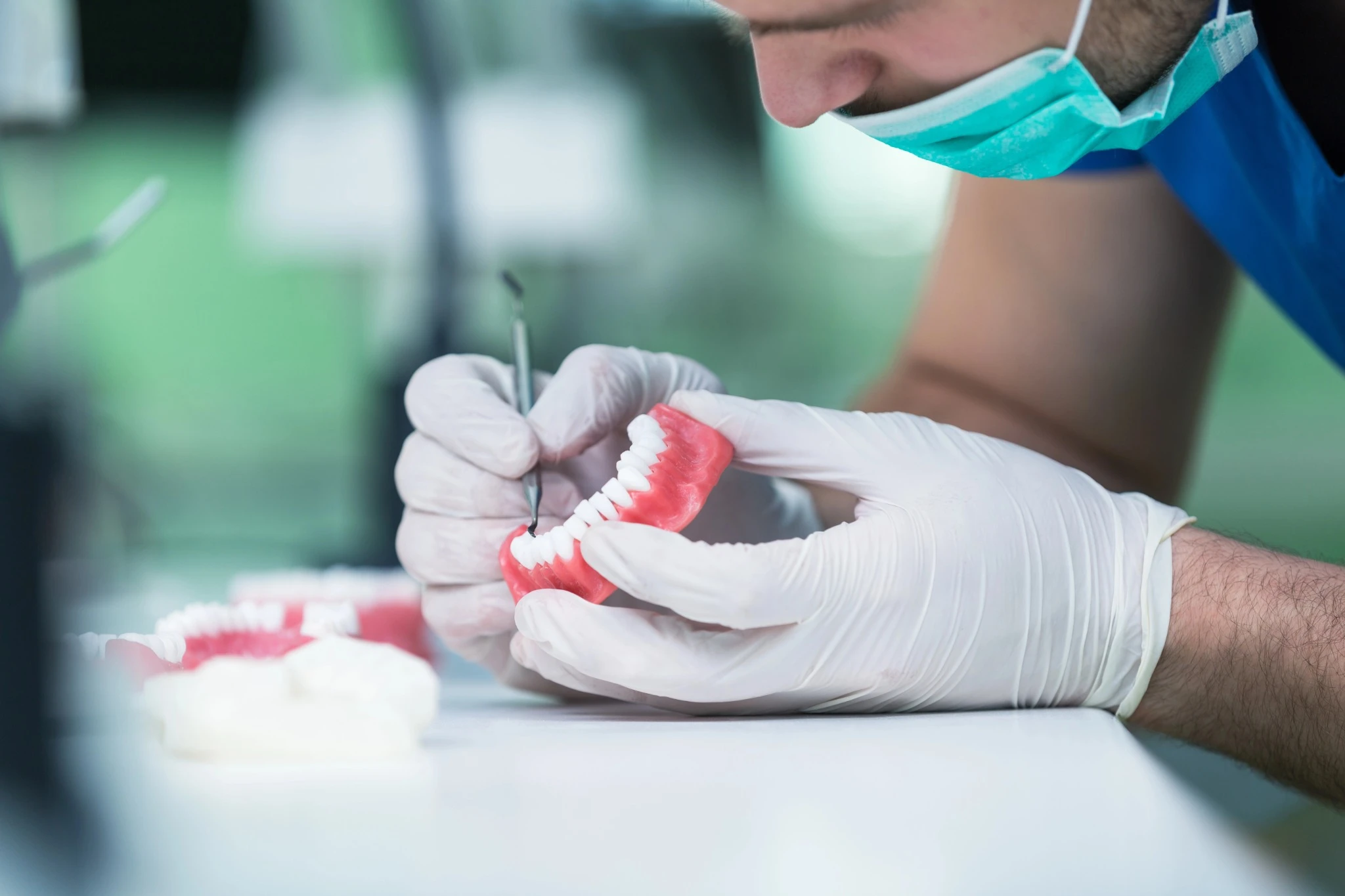
With the help of a dentist who understands both your airway and your overall health, you can explore noninvasive sleep apnea therapies that can change your nights. Schedule a consultation with Tyson’s Dental Esthetics and recover your nights of full sleep!